Inspiring people and customers
Make your company attractive so that customers and employees not only flock to your products and services, but also want to identify with the unique spirit of your brand.
Admittedly, it is a long-term and complex process. But it brings enormous advantages. Together, we can take the first step.
Developing a corporate culture may sound like a “soft” measure, but it delivers hard facts:
A brand emerges that impresses customers and employees with its charisma and positive image.
Employees become active brand ambassadors to customers and job applicants.
High organizational stability is achieved through a shared understanding, greater job satisfaction, and improved collaboration.
Performance levels rise rather than decline due to demotivation, disengagement, or high employee turnover.
Imagine ...
... you are the Head of People & Culture. Your mission is to transform the company’s culture—a challenging task. To support you, you’ve brought in an ETB team. Together, we begin by analyzing your corporate culture and developing a customized action plan that’s perfectly tailored to your company’s needs. In the next step, we’ll discuss and refine this plan with senior management. Nothing will be implemented without their approval and full support. Close collaboration with the consulting team is particularly beneficial during the implementation phase, ensuring you never feel like you’re facing a mountain of tasks alone.
... you work at a company that actively develops and nurtures a positive culture. The way people interact with one another, the communication, and the collaboration with leaders all feel appreciative and motivating. Openness and candor make it possible for everyone to contribute ideas or address failure. You feel that not only are you personally thriving and growing, but the company as a whole seems to be on a path to success. In short, work is fun and makes you proud.
A Culture That Empowers People to Shape Success
Every company has a culture—whether it was consciously designed or developed quietly over time. Culture is reflected in how people make decisions, give feedback, and support each other on a daily basis. It shapes how teams deal with pressure, how managers respond to mistakes, and how new employees feel on their first day at work.
A strong, empowering culture not only makes people feel good, it also boosts performance. When employees see meaning in their work, have confidence in their abilities, enjoy freedom to make decisions, and have a visible impact on results, they become more engaged, creative, and resilient. A sense of purpose and competence, freedom to act, and impact on results—these four psychological principles of empowerment form the basis for sustainable success.
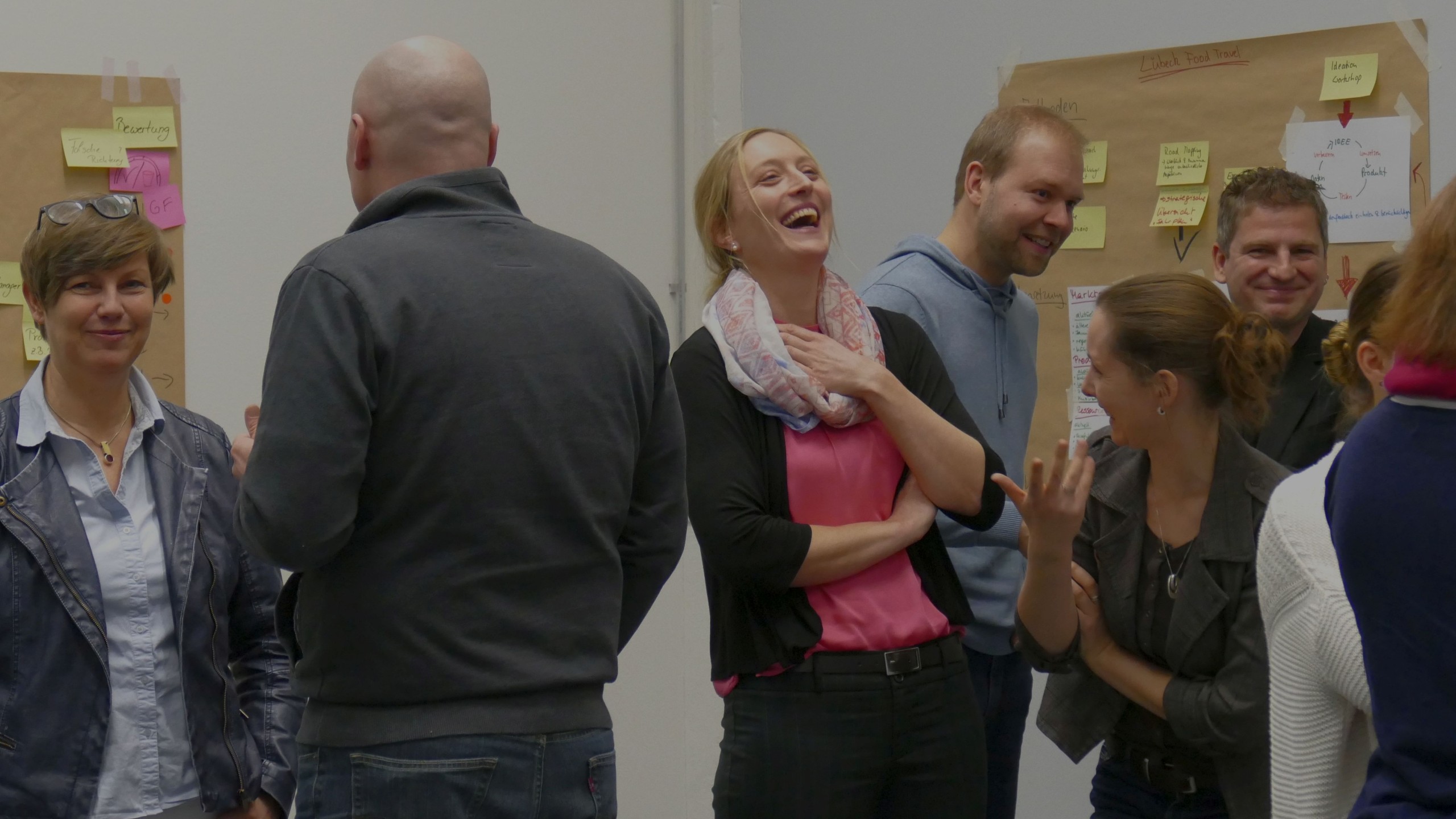
How empowerment contributes to a positive culture
International studies repeatedly show that empowerment is one of the strongest predictors of motivation, commitment, and long-term performance. Empowered employees experience less stress, greater job satisfaction, and a deeper connection to their company.
When company management, executives, and the organizational environment show trust in employees, strengthen personal responsibility, and convey meaning, a culture emerges that brings stability to the organization. A strong culture of cohesion develops.
When people feel that they are trusted to make important decisions, they do more than just work to rule. They take the initiative, contribute ideas, and drive change. The results go far beyond individual motivation: empowered teams are more productive, innovative, and cooperative. They show greater loyalty and pro-organizational behavior, which translates directly into measurable business results.
Leadership as a cultural multiplier
Leaders are not just decision-makers—they are models of trust, openness, and cooperation. Empowerment-oriented leadership means providing guidance and support without controlling every step, giving clear directions, and promoting personal responsibility at the same time.
When leaders exemplify authenticity, seek input, and create space for different perspectives, teams respond with personal responsibility and creativity. They know that their voice counts, and this self-confidence spreads throughout the organization. After all, culture grows through example, not through instructions.

An often underestimated factor: structures
Culture is not just about values or slogans—it is embedded in a company's daily processes and systems. The organizational environment can strengthen or undermine empowerment, depending on how it is designed.
Transparent communication, flexible structures, modern workplace design, and clear processes signal: We trust you to take action. These design decisions make freedom of action and collaboration part of everyday life. For new employees in particular, such an environment can make the difference between feeling comfortable or quietly considering leaving the company.
Analyze it yourself
An important exercise in cultural development is to first clarify where the company currently stands.
One method that we like to use ourselves and that you can easily apply yourself is:
Ask three to four employees who started about six to twelve months ago, “What surprised you most in your first few weeks—both positively and negatively?” New employees see things that long-serving employees no longer notice. Their answers often reveal the unwritten rules that actually shape the culture—both for better and for worse.
Important: It is probably a little easier for us than for you to get honest answers, as we are external. Therefore, be sure to create an atmosphere that encourages honesty and does not give the impression of testing commitment.
Is it profitable to initiate a cultural transformation?
That depends very much on the situation of the company. The following points may indicate that cultural development also brings monetary benefits:
- Your company needs and is looking for skilled workers, but does not appear particularly attractive to the outside world, and may even have negative reviews on internet platforms. In such cases, in addition to an internal cultural change that turns employees into brand ambassadors, active employer branding is often necessary.
- Good people leave the company within the first two years, even though the salary and tasks are right. In exit interviews, terms such as “atmosphere,” “lack of appreciation,” or “nothing is happening here” come up. This is a clear sign that cultural transformation will lead to increased productivity, employee retention, and lower personnel acquisition costs.
- Silo formation and hostility between departments—a sign that the corporate culture and probably also leadership and organization need an update. Things can only get better, even if the path to get there is—admittedly—usually exhausting at first.
- Sick leave is above the industry average, especially for mental health issues. You sense a subliminal resignation, working to rule instead of commitment.Innovative ideas regularly get bogged down in endless coordination loops. Change projects fail not because of the issue itself, but because of resistance.
- And worst of all: customer feedback reflects internal problems: slow responses, inconsistent statements, and lack of solution orientation. Service quality varies greatly depending on the team or contact person.
Empowerment is the ideal path to an inspiring culture
A cultural transformation based on empowerment pays off for both—people and performance. Empowered teams solve problems faster, adapt better to change, and maintain a strong sense of shared purpose even under pressure.
A positive corporate culture is not a nice-to-have but an essential resource that enables and sustains economic success. Companies that invest in their culture build resilience, attract talent, and transform engagement into measurable results.
How we support your cultural change
Our programs put empowerment into daily practice. We work with organizations to
- provide hands-on support for people & culture / HR departments,
- develop empowerment-oriented leadership behaviour,
- strengthen trust and psychological safety in teams,
- align structures and communication patterns with cultural goals,
- enable employees to take initiative and shape change.
Through organizational design, workshops, leadership coaching, and cultural design consulting, we help you create an environment where people don’t just work for a company—they co-create its future.